Wallace brings the physical world to artificial intelligence.
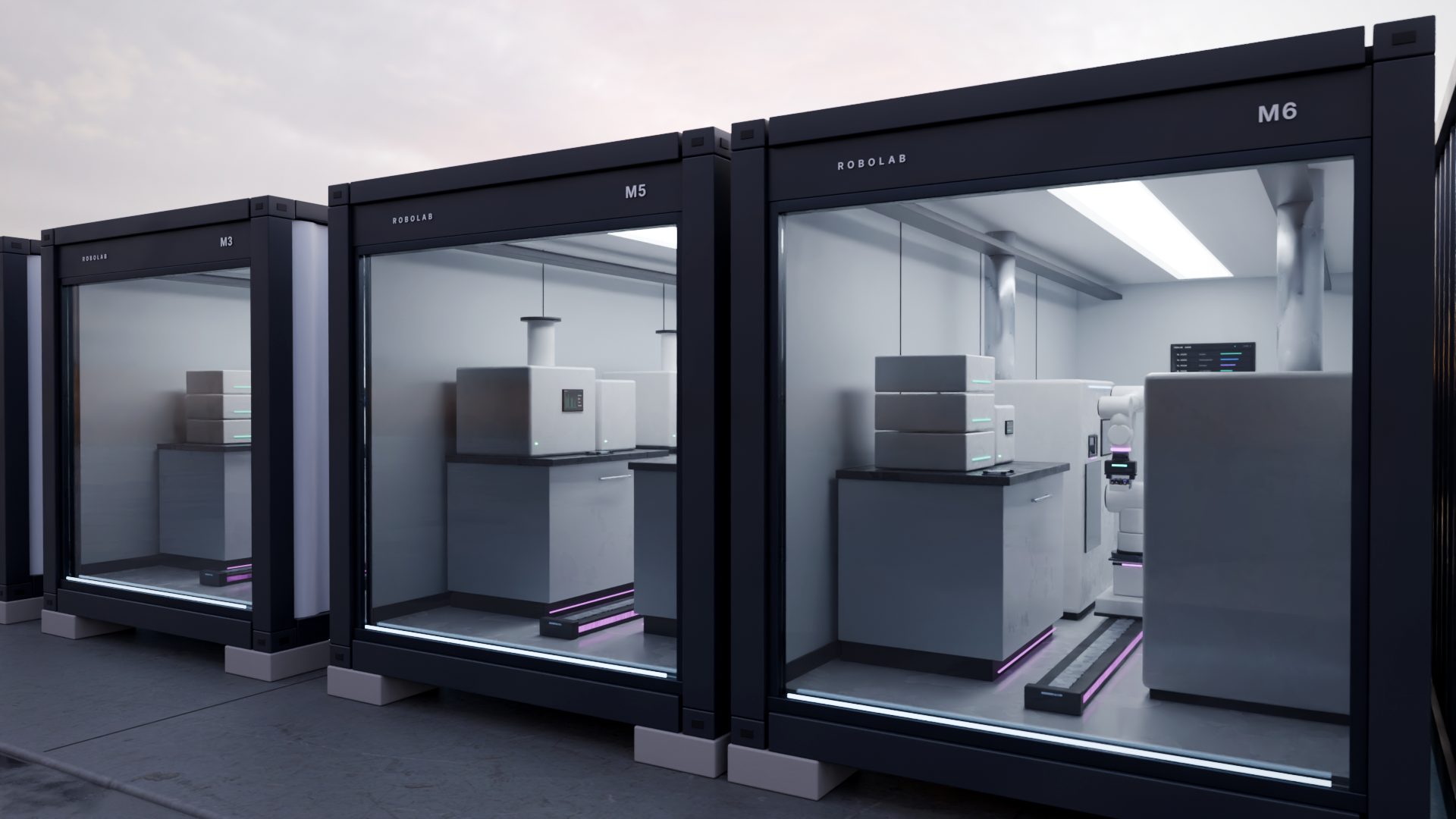
Robolab
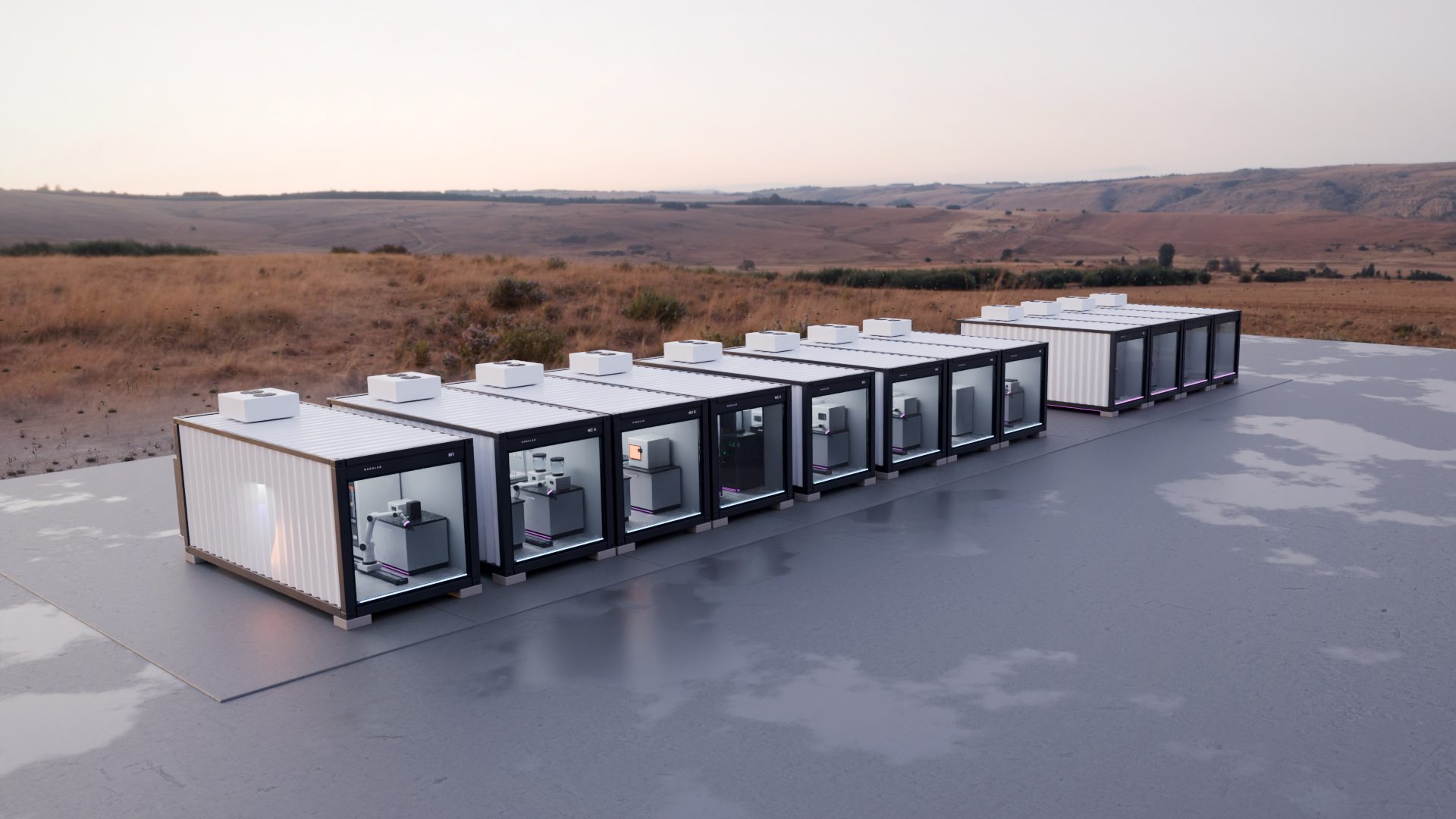
Modular laboratories that run food, water, soil and clinical tests 24 hours a day without staff.
82 food methods · 12 data layers per sample · target 1 cent a measurement

Robosynth
Makes things that did not exist. Realm proposes variants of molecules, materials and organisms, Robosynth makes them, Robolab tests them, and every result returns to Realm, failures included.
4 versions · 1 sample tray · running around the clock

Realm
A model of how matter behaves, trained on every result from Robosynth, Robolab, Biopen and Control.
Queried by people in the Wallace App and by software agents

Wallace App
What is in your food, your body and the things you own, measured and explained on your phone.
Biopen
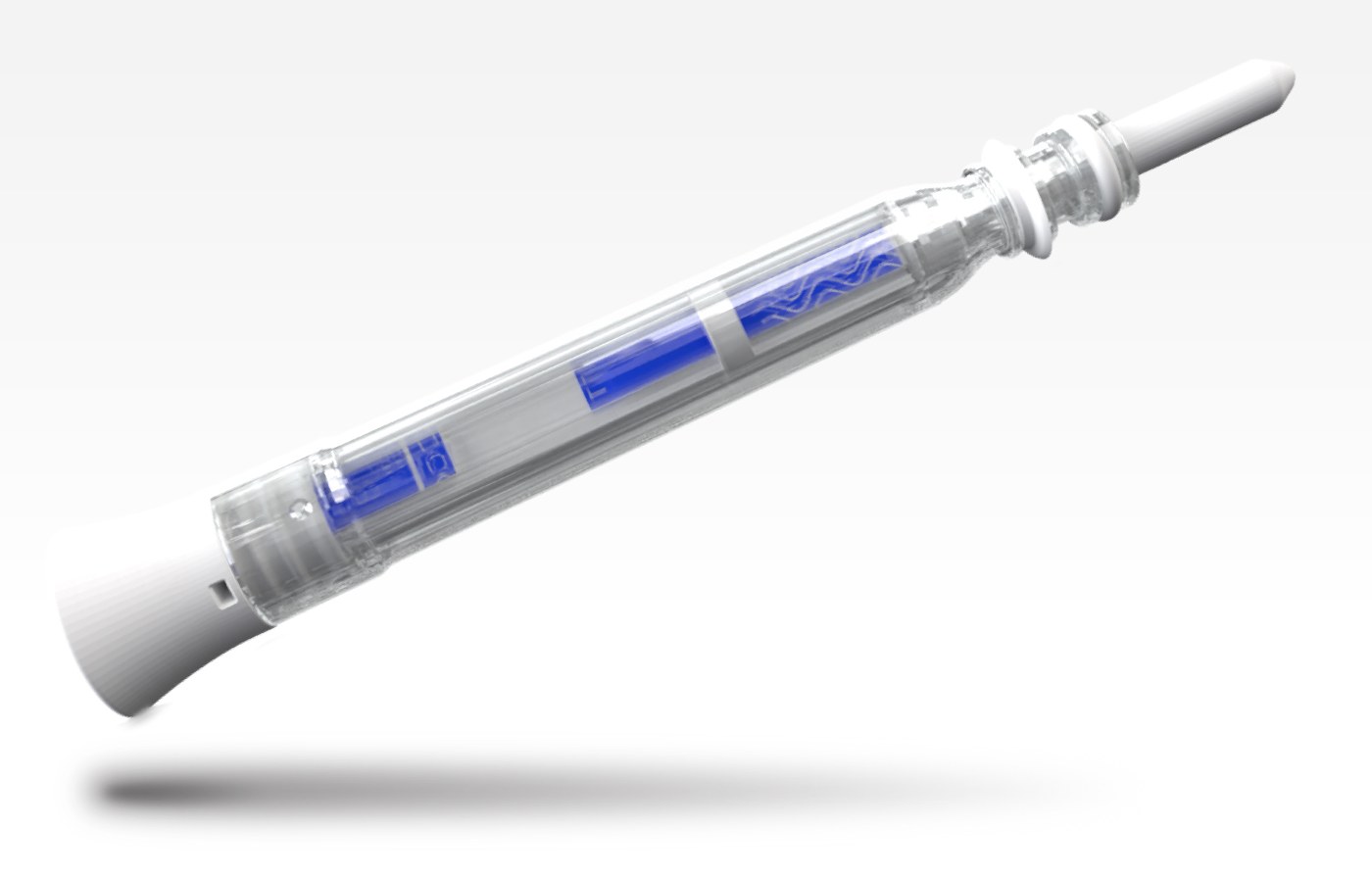
A handheld test that collects, seals and reads a sample in minutes, with no separate reader.
$270m in contracts with national governments
Workbench
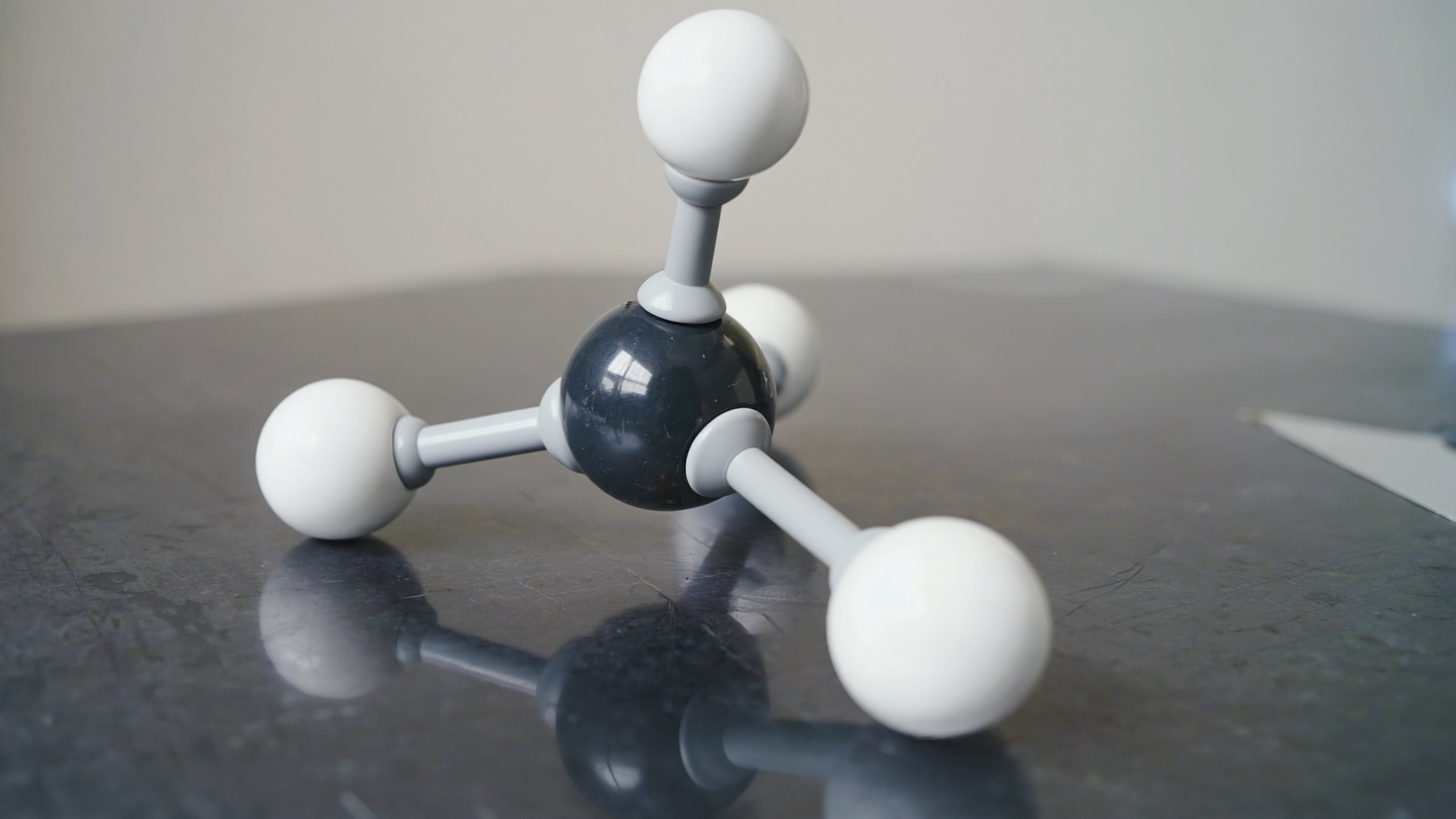
Design molecules, materials and products against measured data, then have Robolab test the result.
Why now
Today’s models learned from text. Most of the physical world has never been measured, and most lab results stay unpublished. Robolab is built to datamaxx it.
Understand matter to become better engineers of reality.
Wallace Physics Technologies is based in Cremorne, Melbourne. We start with biology, because health matters most and its data is the scarcest.